Loyalty after the points era: personalization with first-party data and AI
Points programs have converged into sameness. The next edge is relevance: offers built on first-party data, measured by incrementality, and delivered in an experience the brand owns.
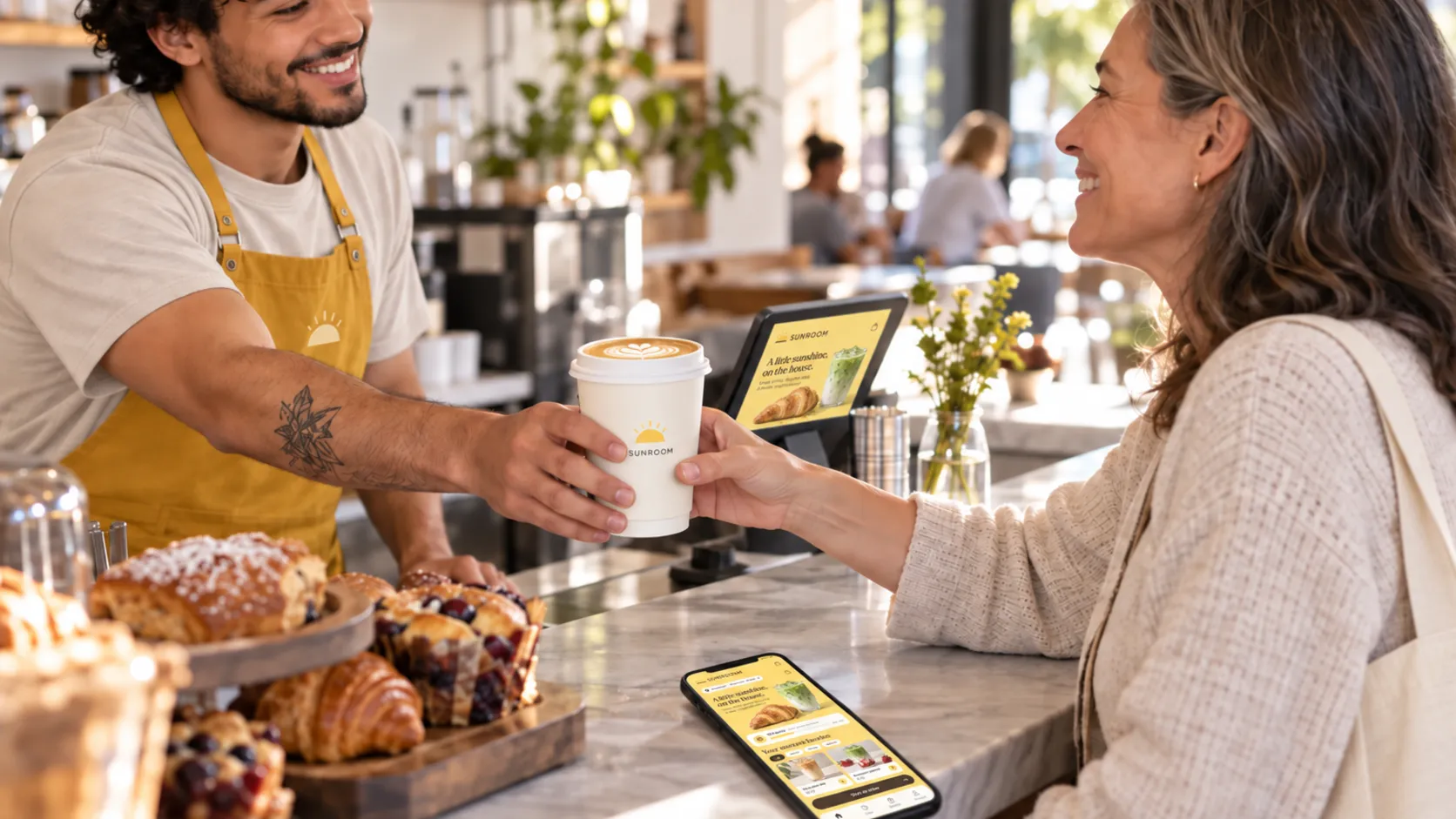
Most restaurant loyalty programs look alike. Earn points per dollar, reach a threshold, redeem for a free item, maybe climb a tier. Guests have learned the pattern, and most of them belong to several programs at once. When every program offers the same mechanics, the mechanics stop being a reason to choose you.
Points are not going away. They are useful accounting, and guests understand them. But they have become table stakes. The next phase of loyalty is about relevance: knowing enough about each guest to make the next interaction feel meant for them, and proving that it changed what they did.
Why points programs converged
Points programs solved a real problem: rewarding frequency in a way guests could understand. They worked, so everyone adopted them. Earn rates, reward tiers, and birthday offers became standard features.
The side effect is that a points program mostly rewards behavior that would have happened anyway. Your most frequent guests accumulate the most points and redeem the most rewards, but many of them were coming regardless. The program looks busy. It is not always changing anything.
Discounts are also the easiest lever to copy. A competitor can match your earn rate in a week. They cannot match what you know about your guests, or how well you use it.
From points to relevance
Relevance comes from data you own and can act on. Three kinds matter.
 Zero-party data
What guests tell you directly: dietary preferences, favorite location, usual order time. Ask in context, and use the answer visibly.
 First-party behavior
What guests do in your channels: what they order, how often, where, through which channel, and when.
 Event-level orders
Each order with its items, modifiers, channel, daypart, and outcome. Aggregates show who is valuable; events show what comes next.
The practical requirement is that order events from every channel land in one model, with consistent item and location identifiers, tied to a guest identity. If the loyalty platform knows the guest but not what they ordered, or the ordering system knows the order but not the guest, personalization becomes guesswork.
Segment of one, without being creepy
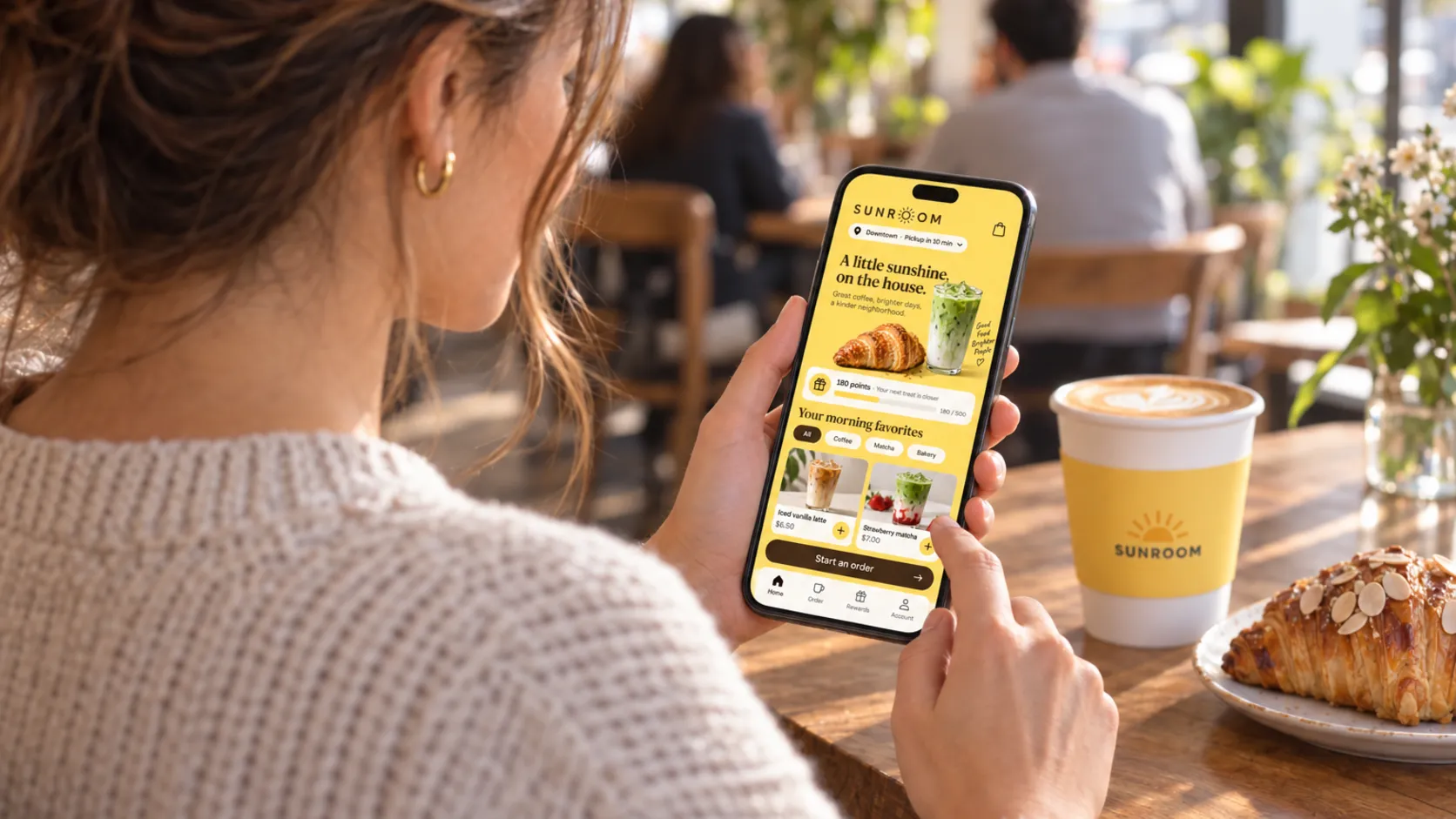
Personalization has a line. On one side is "you usually order the grain bowl on Tuesdays, here is a new one to try." On the other is anything that makes a guest wonder how you knew. The difference is usually whether the guest can see where the insight came from.
A few rules keep you on the right side:
- Use what the guest gave you, in the context they gave it. Order history within your own channels feels natural to use. Data inferred from elsewhere usually does not.
- Explain the why. "Because you ordered..." makes a recommendation feel helpful instead of intrusive.
- Make consent explicit and reversible. Guests should be able to see and change what they have opted into, from inside the ordering experience.
- Avoid sensitive inferences. Ordering patterns can hint at health, religion, or other personal matters. Do not build segments on those implications.
Transparency is not only a legal safeguard. It is part of why personalization works at all. Guests who understand the exchange are more willing to share.
Measure incrementality, not redemptions
Redemption counts are the most common loyalty metric and one of the least useful. A high redemption rate can mean the program is working, or that you are handing rewards to guests who would have ordered anyway.
The question is not how many guests redeemed an offer. It is how many orders happened that would not have happened without it.
The way to answer it is with holdouts. For any offer or campaign, randomly withhold it from a small control group of otherwise eligible guests. Compare behavior over a defined window: visit frequency, spend, and retention. The difference is the incremental effect. Subtract the cost of the offer and you have a real return.
Holdouts feel uncomfortable because some guests miss an offer. That cost is small next to running programs for years without knowing whether they work. Make holdouts part of the default campaign setup, so they are not a special project each time.
Who owns what
Loyalty providers such as Punchh, Sparkfly, Spendgo, and Incentivio are built to be systems of record. That role rewards specialization, reliability, and auditability, and most brands should not rebuild it. What the brand should own is everything around it.
Loyalty provider: the system of record
- Accounts. Guest identity and membership.
- Balances. Points, credits, and tier status.
- Rules. Earning and redemption logic.
- Ledger. An auditable history of every reward.
Your brand: the experience layer
- Presentation. How loyalty shows up in the storefront and app.
- Timing. When offers appear, and to whom.
- Personalization. How a guest's history shapes what they see.
- Data. Ordering and loyalty data brought together.
That separation pays off in three ways:
- The system of record stays authoritative for balances and rules.
- The brand controls presentation, timing, and personalization logic.
- Switching or adding a provider does not mean rebuilding the guest experience.
An integration layer between the two keeps this clean. One interface for menus, carts, orders, and loyalty lets the storefront treat loyalty as part of ordering instead of a separate widget bolted onto checkout. You can see the loyalty providers we connect on our integrations page.
Where AI helps, and the guardrails
Once the data and measurement are in place, AI becomes a real advantage in loyalty.
- Propensity. Models can estimate which guests are likely to lapse, likely to try a new daypart, or likely to respond to a certain type of offer. That points spend where it can change behavior.
- Next-best offer. Instead of one campaign for everyone, choose among a small set of approved offers for each guest, based on history and predicted response.
- Content variants. Generate several versions of offer copy and imagery within brand guidelines, then test them. A person approves the set, and the system chooses among them.
The guardrails matter as much as the models:
- Offers come from an approved catalog. AI picks among offers that marketing and finance have signed off on. It does not invent discounts.
- Holdouts stay on. Every AI-selected campaign keeps a control group, so you measure the model, not just the outcome.
- Frequency caps and fairness checks. Limit how often any guest is contacted, and review whether some groups consistently receive worse offers.
- Human review of content. Generated copy is reviewed before it ships, especially claims about ingredients, pricing, or availability.
We go deeper on how to evaluate AI use cases in where AI actually pays off in restaurant operations.
A practical first quarter
The takeaway
Points are the ledger, not the strategy. The brands that pull ahead will pair a reliable loyalty system of record with an experience they own, built on event-level first-party data, measured by incrementality, and personalized with AI inside clear guardrails.
If you want loyalty to feel like part of ordering instead of a separate program, see how Techtris Play and the Techtris API bring your branded storefront and loyalty provider together, or book a demo.